Anushka Mathur
An immersive museum experience taking the user into
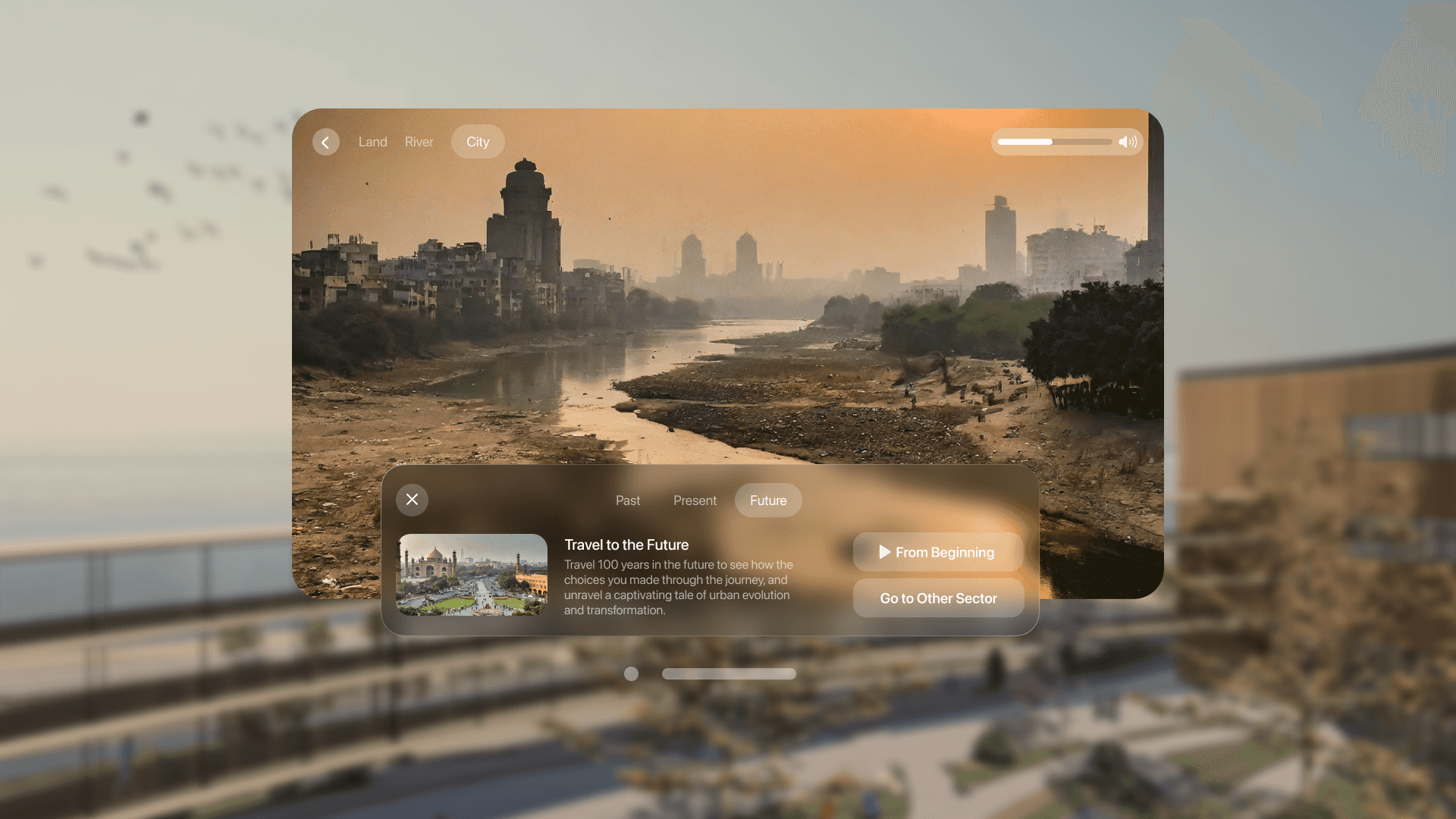
a journey through climate past, present, and future
An immersive museum experience taking the user into
a journey through climate past, present, and future
July 2022 - January 2023
Individual Project
July 2022 - January 2023
Individual Project
Overview
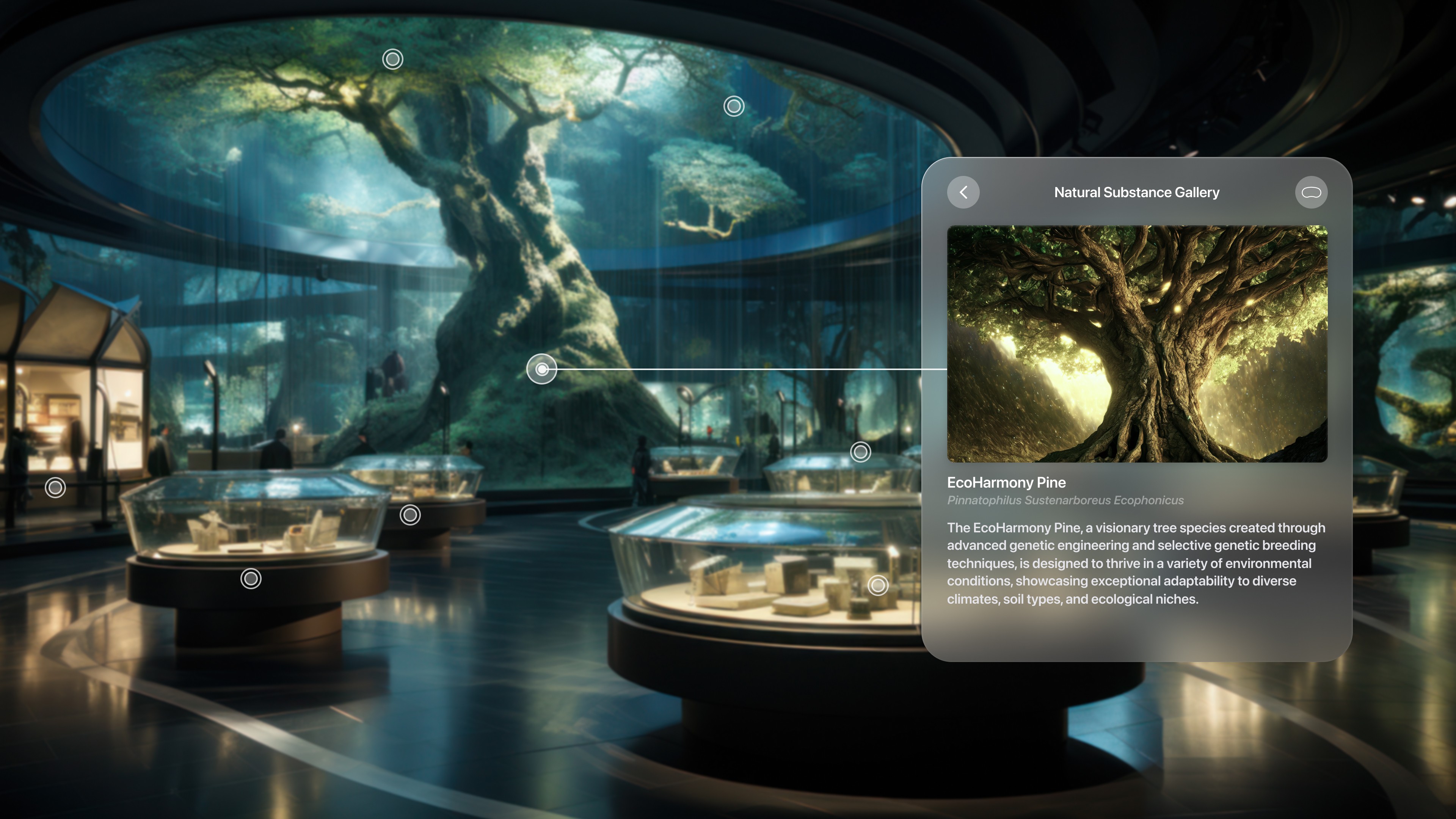
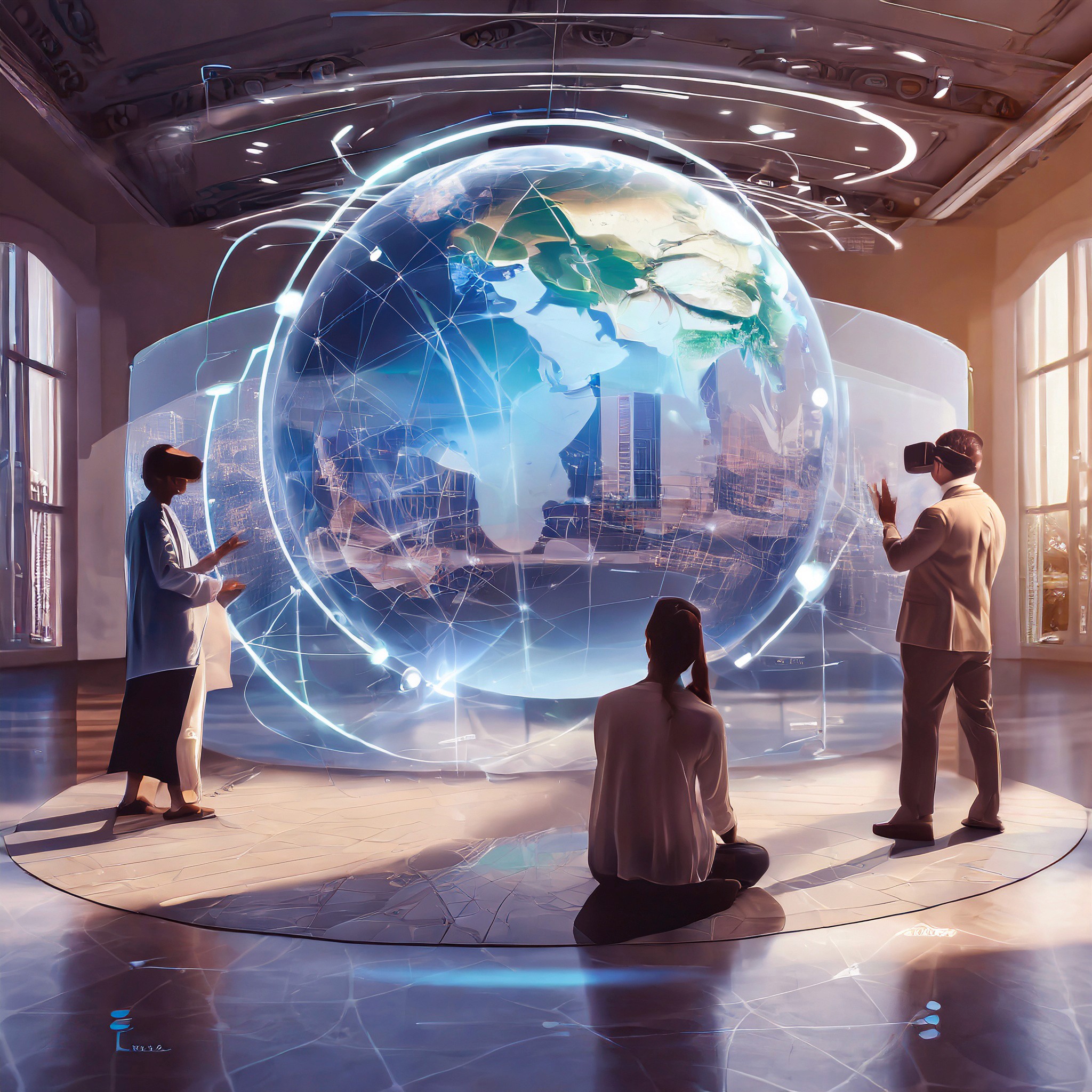
The project reimagined the museums of the future. It conceptualised them not as institutions, but as collective process which allow people, to connect with the intangible heritage through material experiences. Immersivity in museums aims to change the role of the user from passive observer one who imagines themselves moving, learning, and reacting in a new cultural context. This existential change, while subtle, enlivens the museum experience. This experience combined physical and mental activity, thus, avoiding “the ‘stand and read’ paradigm that inevitably takes place when people are trying to learn more about a display.
TerraByte
TerraByte
User Experience: Building a Repository of Spatial Organization
User Experience: Building a Repository of Spatial Organization
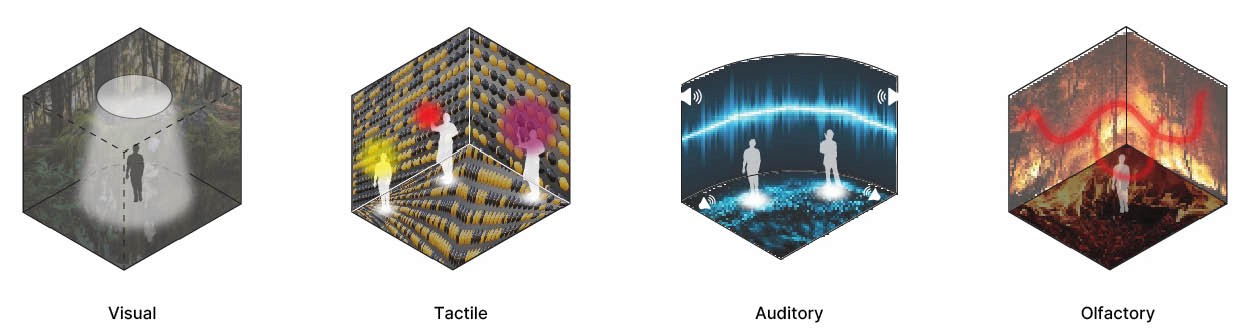
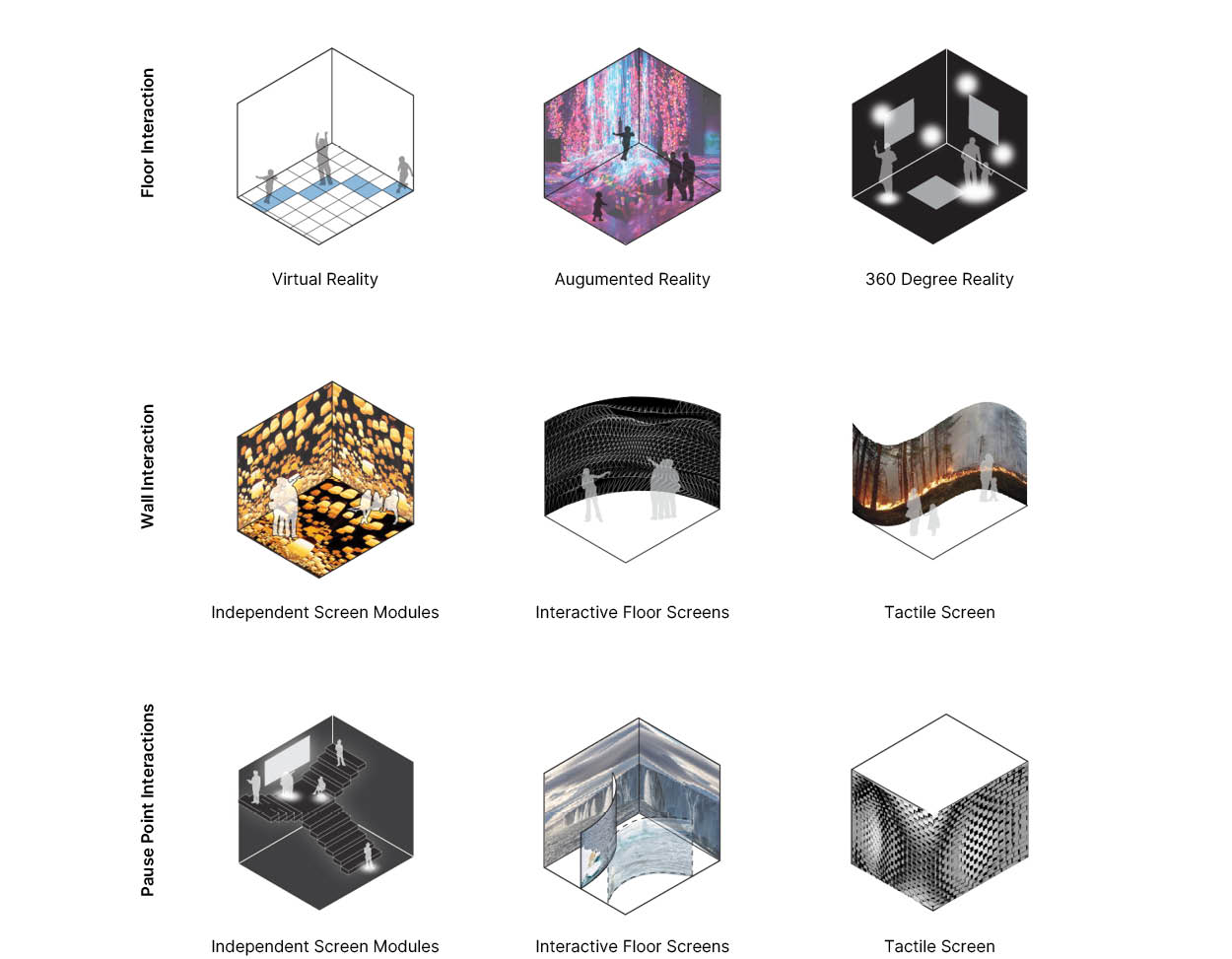
The museum theme incorporates a multi-sensory approach to help evoke emotions of the user to allow them to feel the consequences of climate change as if they’re living them, thus shift the role of the visitor from being a passive to an active player. Integrating sensory design and media technology enhances engagement, creating a memorable and immersive experience. Sensory design when combined with media technology gives way to a much more immersive participatory experience, providing a more humane connection with the subject matter.
Sensory Interaction in User Experience
Sensory Interaction in User Experience
Functional Relationship
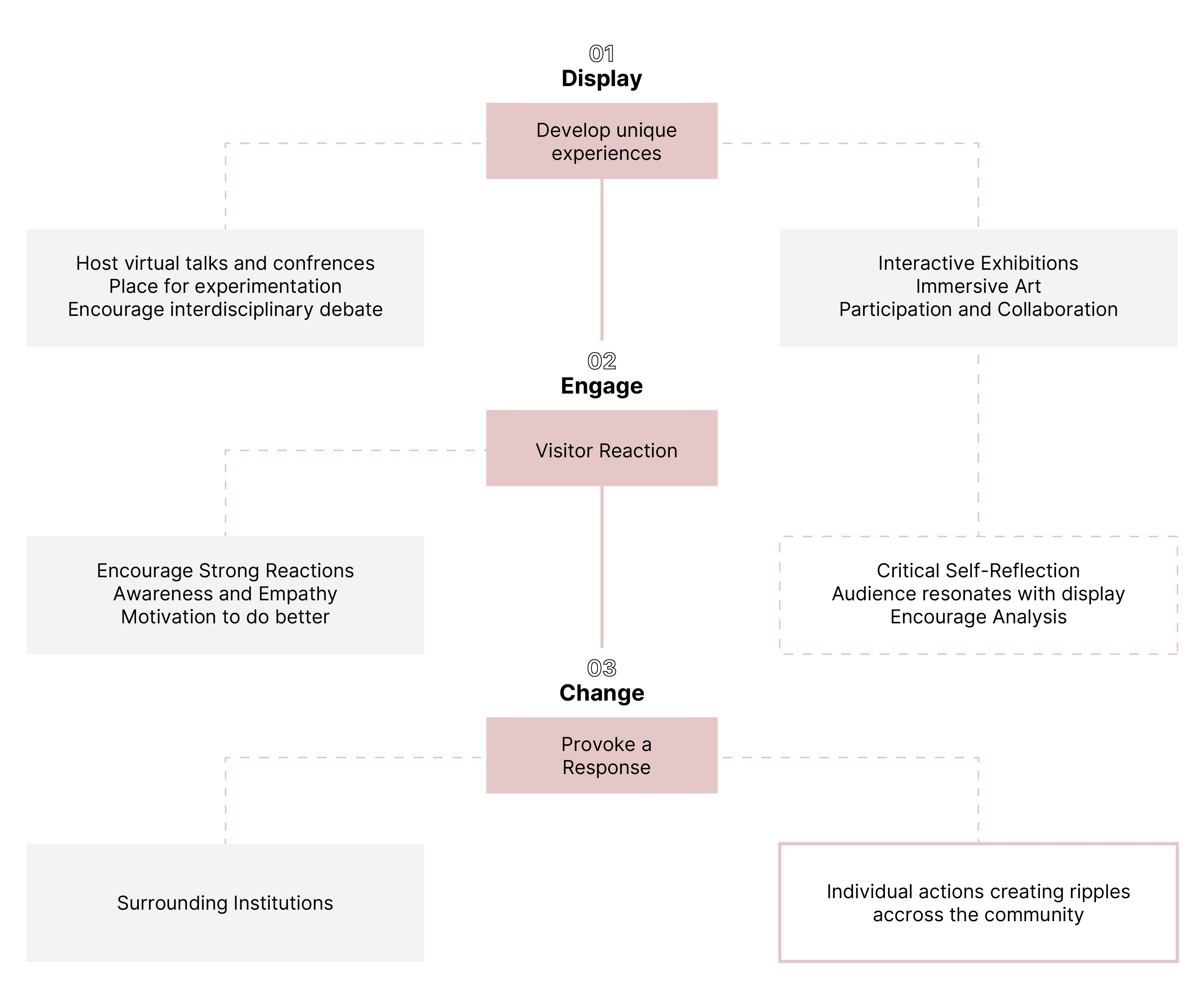
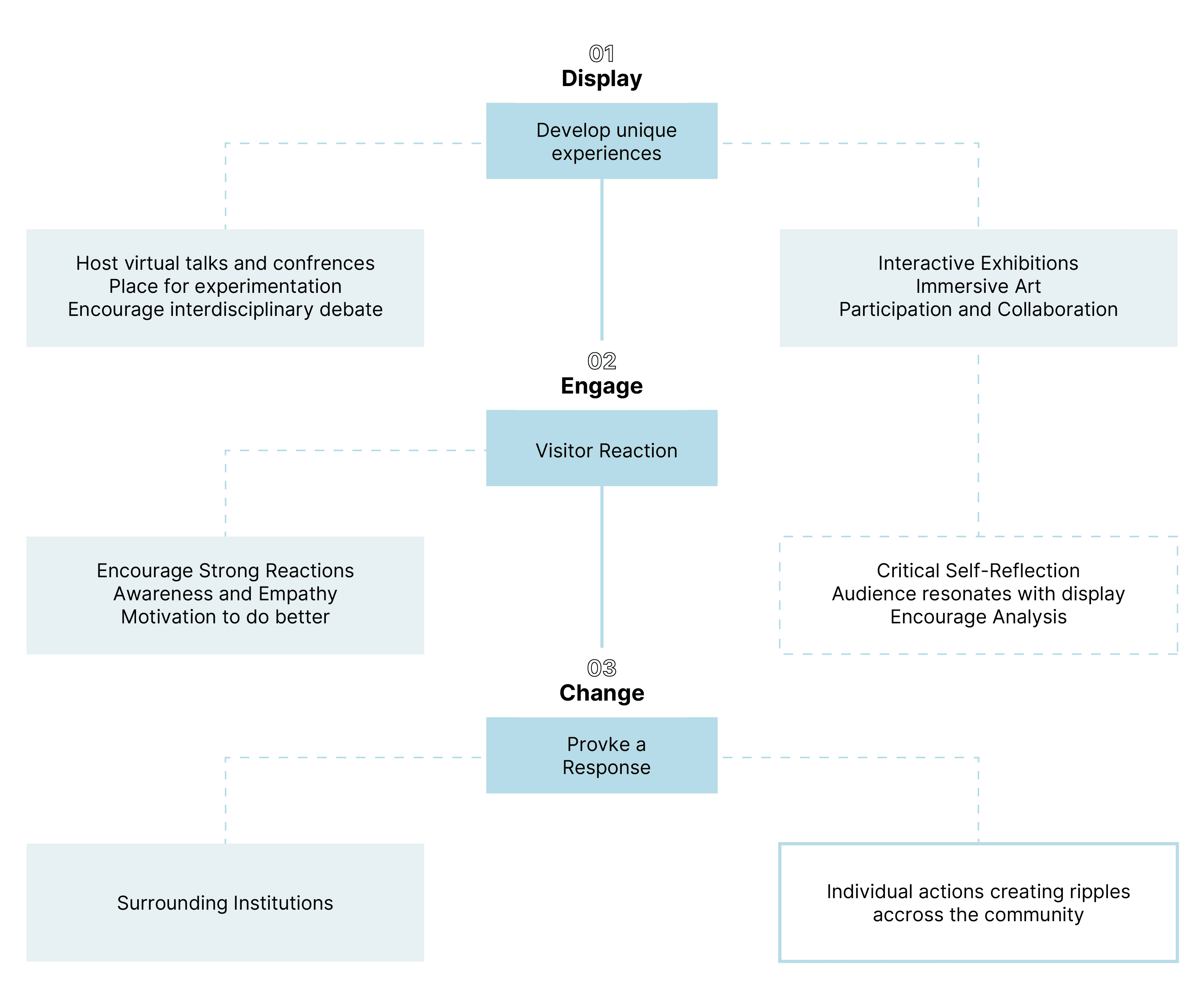
Research Process
Anushka Mathur
TerraByte
TerraByte
An immersive museum experience taking the user
into a journey through climate past, present, and future
An immersive museum experience taking the user
into a journey through climate past, present, and future
July 2022 - January 2023
Individual Project
July 2022 - January 2023
Individual Project
Overview
The project reimagined the museums of the future. It conceptualised them not as institutions, but as collective process which allow people, to connect with the intangible heritage through material experiences. Immersivity in museums aims to change the role of the user from passive observer one who imagines themselves moving, learning, and reacting in a new cultural context. This existential change, while subtle, enlivens the museum experience. This experience combined physical and mental activity, thus, avoiding “the ‘stand and read’ paradigm that inevitably takes place when people are trying to learn more about a display.
Research Process
User Experience: Building a Repository of Spatial Organization
The museum theme incorporates a multi-sensory approach to help evoke emotions of the user to allow them to feel the consequences of climate change as if they’re living them, thus shift the role of the visitor from being a passive to an active player. Integrating sensory design and media technology enhances engagement, creating a memorable and immersive experience. Sensory design when combined with media technology gives way to a much more immersive participatory experience, providing a more humane connection with the subject matter.
Anushka Mathur
TerraByte
TerraByte
An immersive museum experience taking
the user into a journey through climate past, present, and future
An immersive museum experience taking
the user into a journey through climate past, present, and future
July 2022 - January 2023
Individual Project
July 2022 - January 2023
Individual Project
Overview
The project reimagined the museums of the future. It conceptualised them not as institutions, but as collective process which allow people, to connect with the intangible heritage through material experiences. Immersivity in museums aims to change the role of the user from passive observer one who imagines themselves moving, learning, and reacting in a new cultural context. This existential change, while subtle, enlivens the museum experience. This experience combined physical and mental activity, thus, avoiding “the ‘stand and read’ paradigm that inevitably takes place when people are trying to learn more about a display.
Research Process
User Experience: Building a
Repository of Spatial Organization
The museum theme incorporates a multi-sensory approach to help evoke emotions of the user to allow them to feel the consequences of climate change as if they’re living them, thus shift the role of the visitor from being a passive to an active player. Integrating sensory design and media technology enhances engagement, creating a memorable and immersive experience. Sensory design when combined with media technology gives way to a much more immersive participatory experience, providing a more humane connection with the subject matter.
Sensory Interaction in User Experience
Digital-User Interaction
in Spatial Organization
Using different techniques to guide the
human experience through a physical space
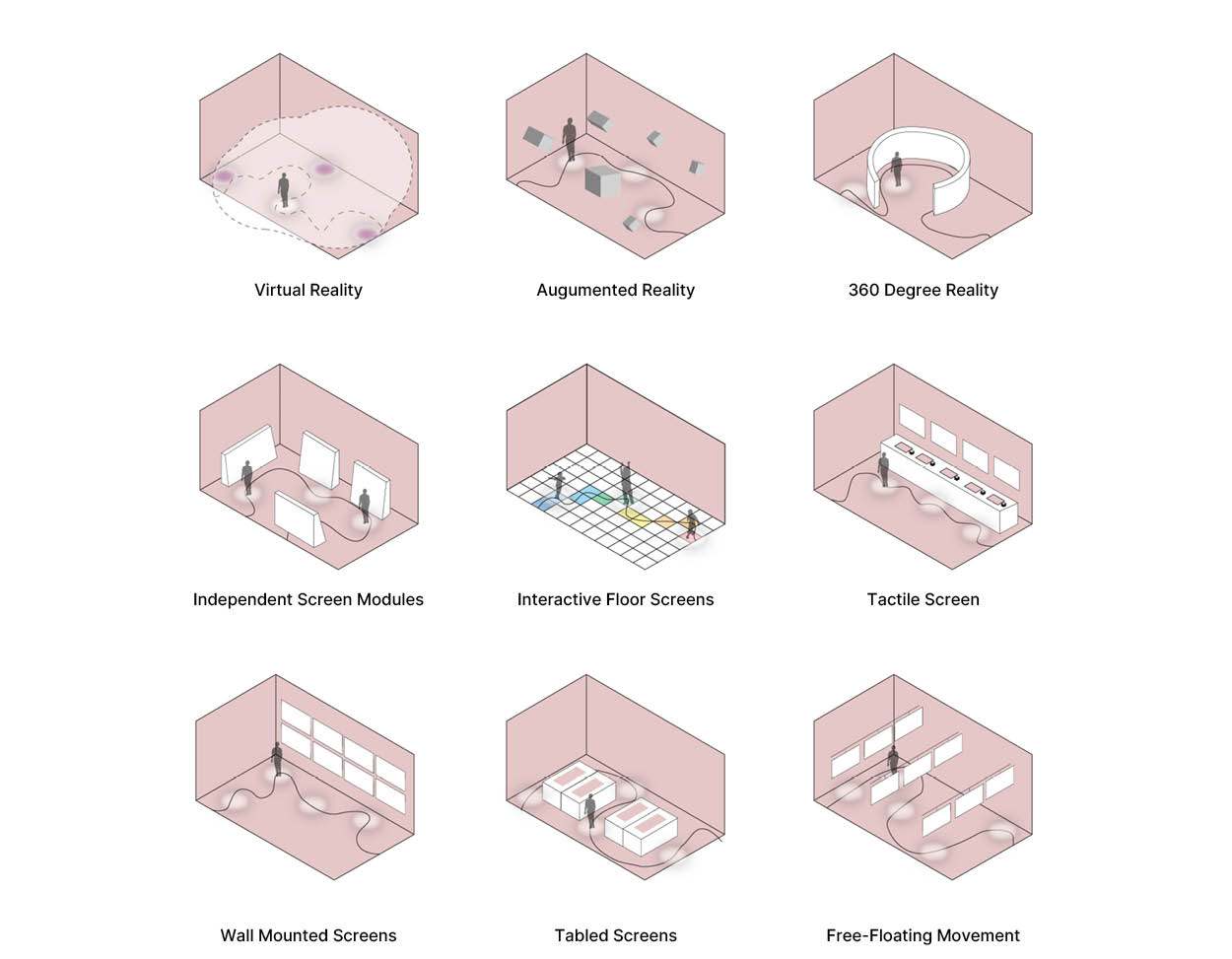
User Experience with
Sensory Elements
The integration of technology and sensory design transforms its architectural elements, guiding users through a climate change journey that engages them with exhibits and the space itself. This redefined approach shifts visitors from passive observers to active participants, leveraging architectural components to reshape the traditional museum experience.
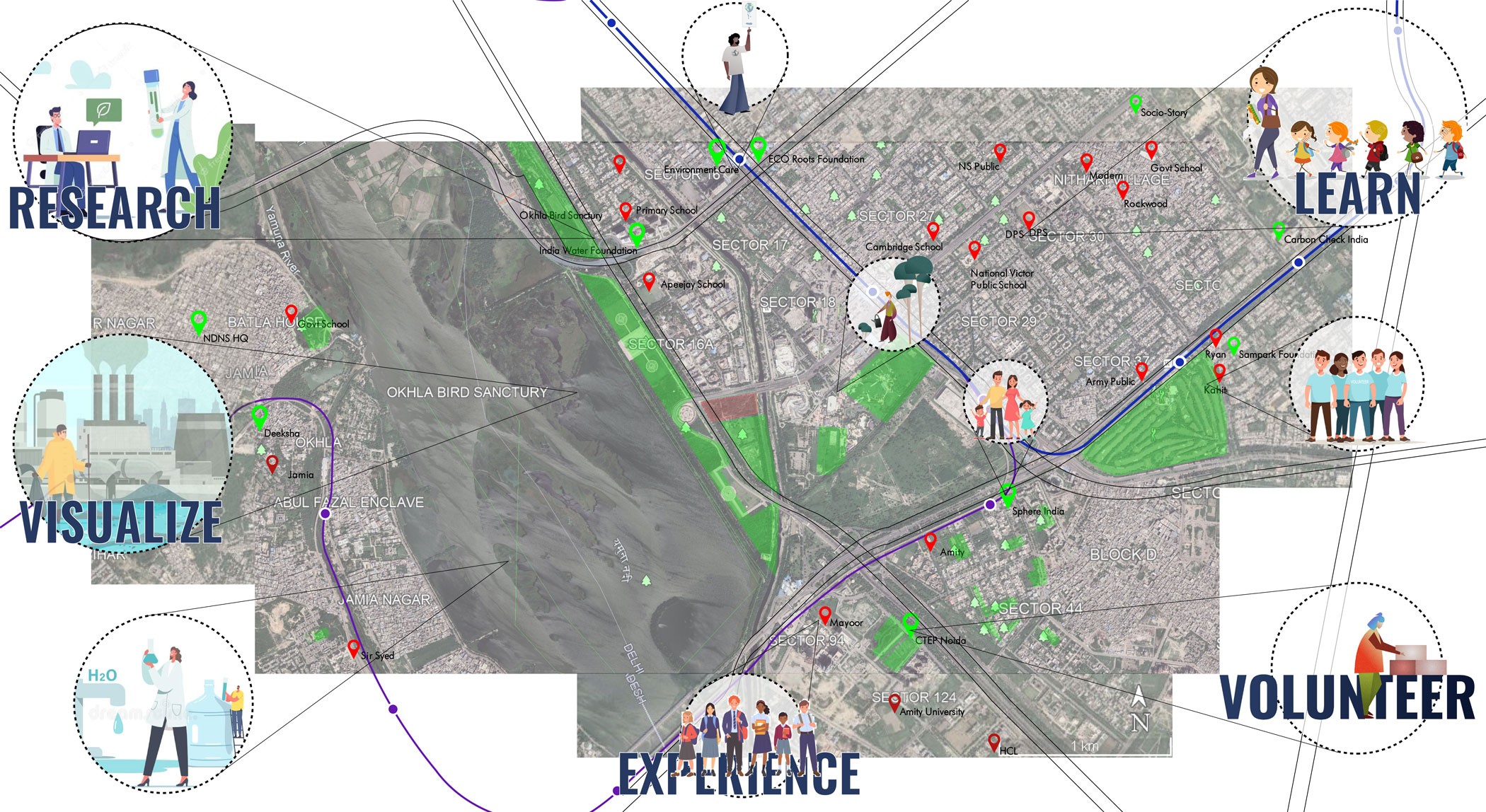
Demographic Mapping
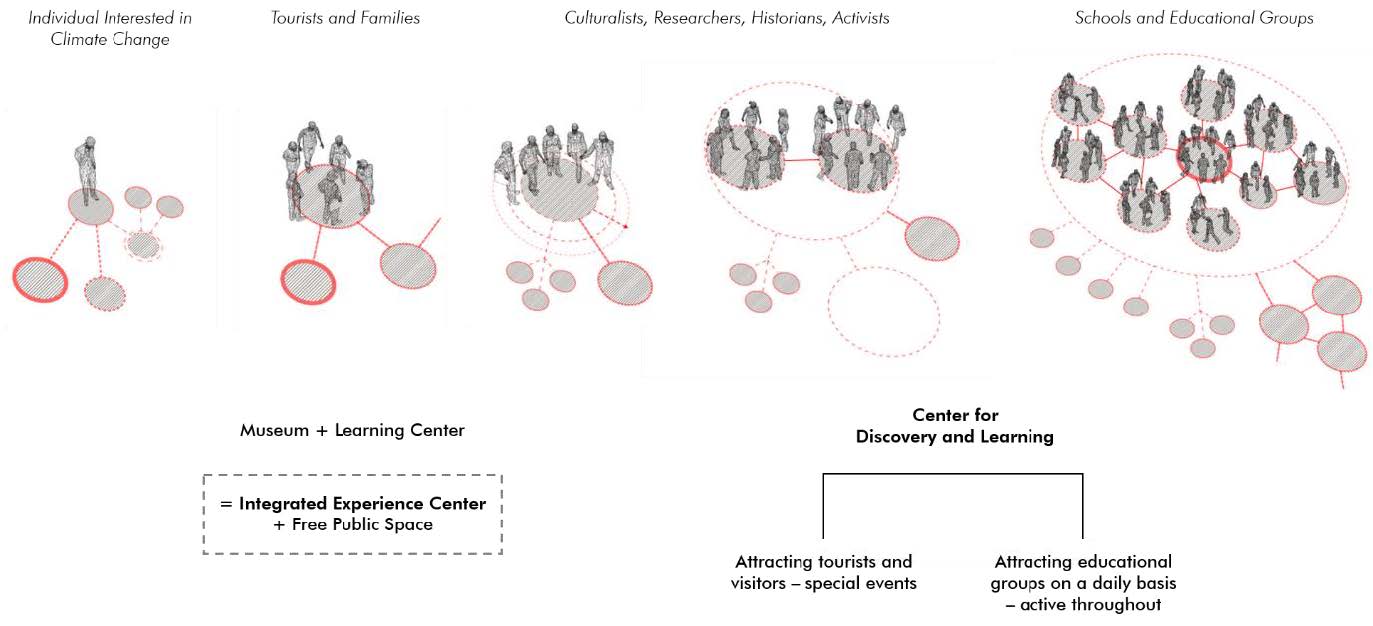
Post the site analysis the demographic identification was extracted from all the external factors. The demographic groups which stood out helped form the basis of the program development criteria.
Museum + Learning center =
Integrated experience center +
Free Public Interaction Space
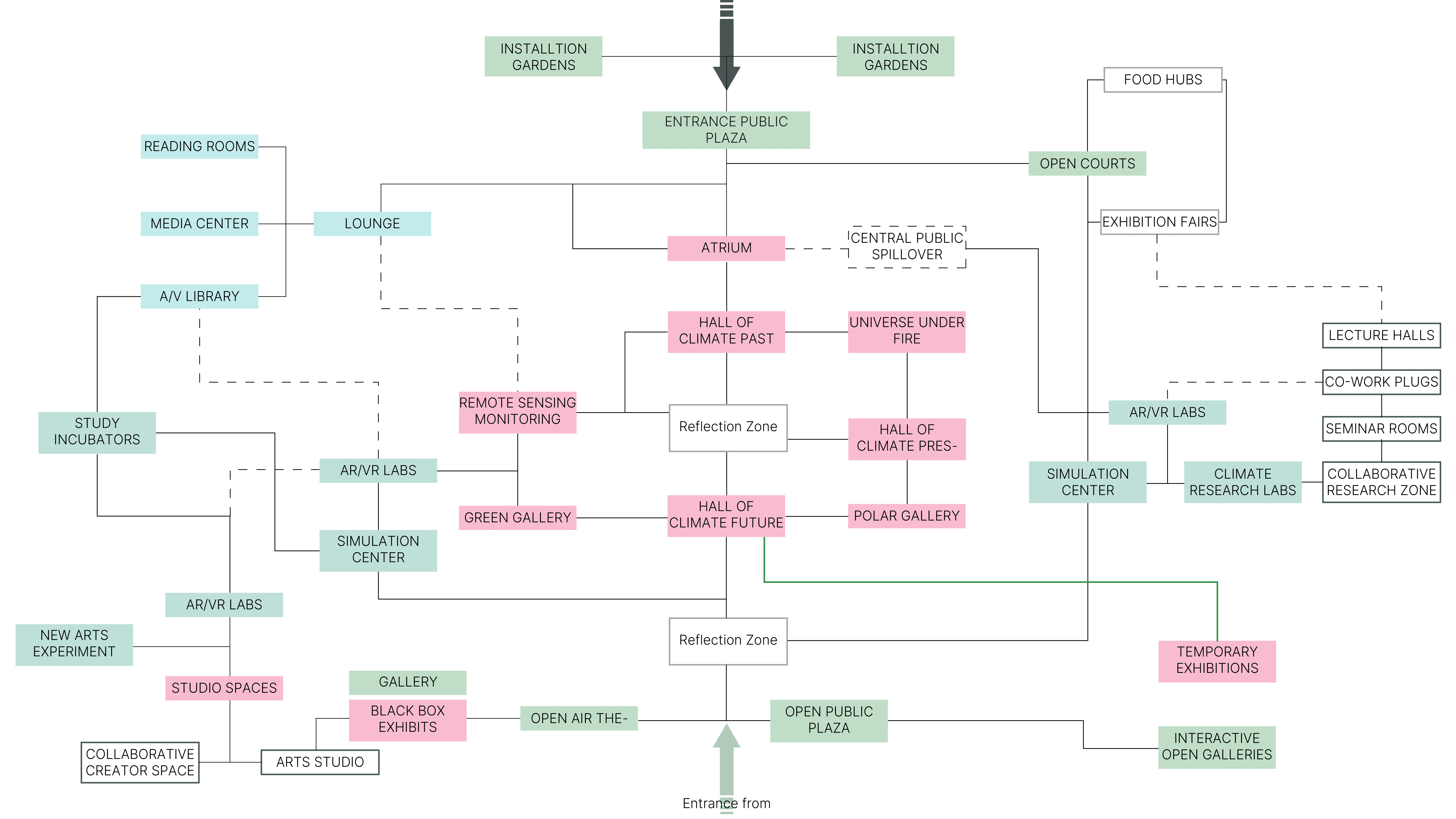
Functional Relationship
User Experience
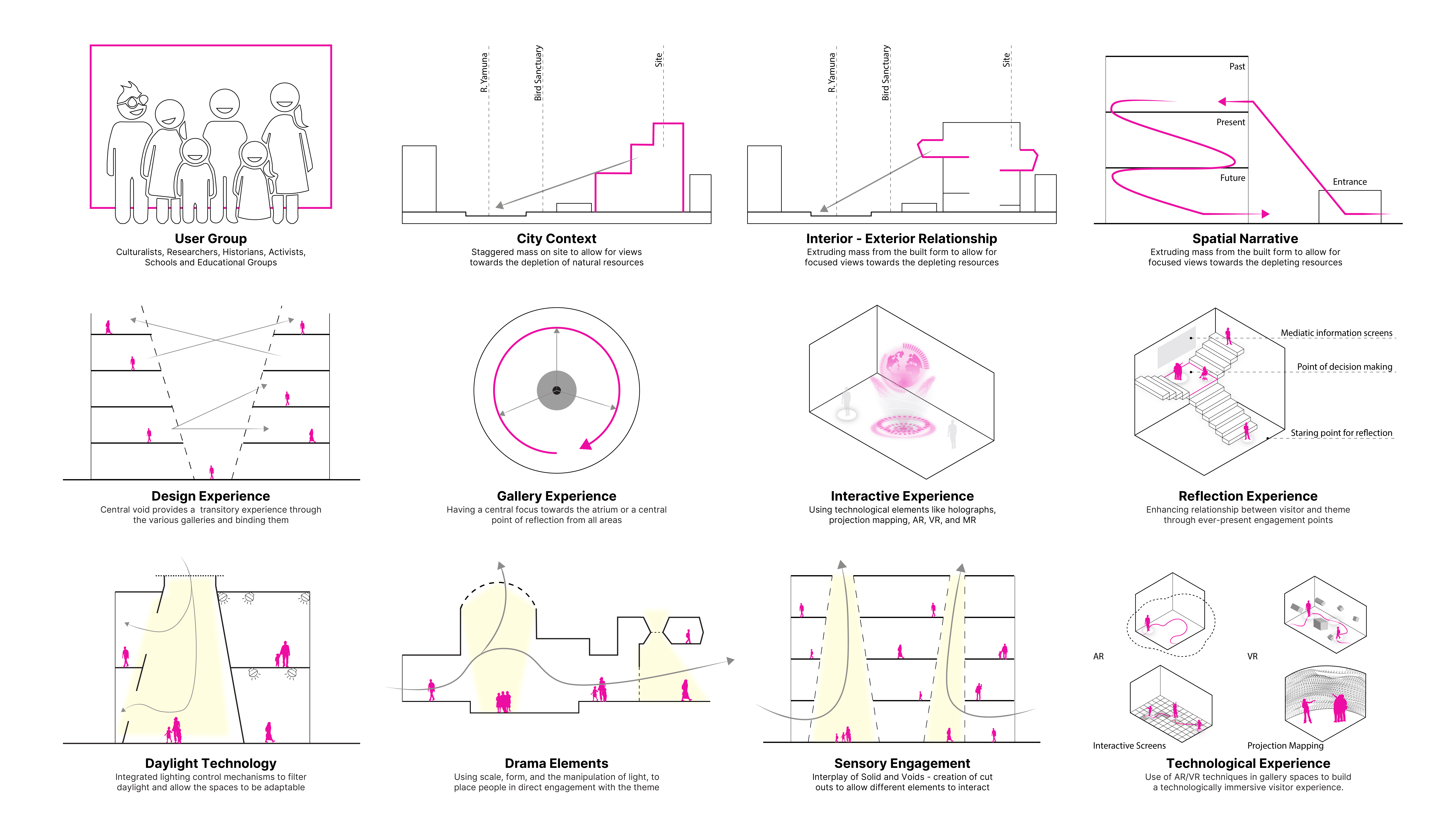
Design strategies to make the most optimal experience for the users
Using the Site to Frame the Form
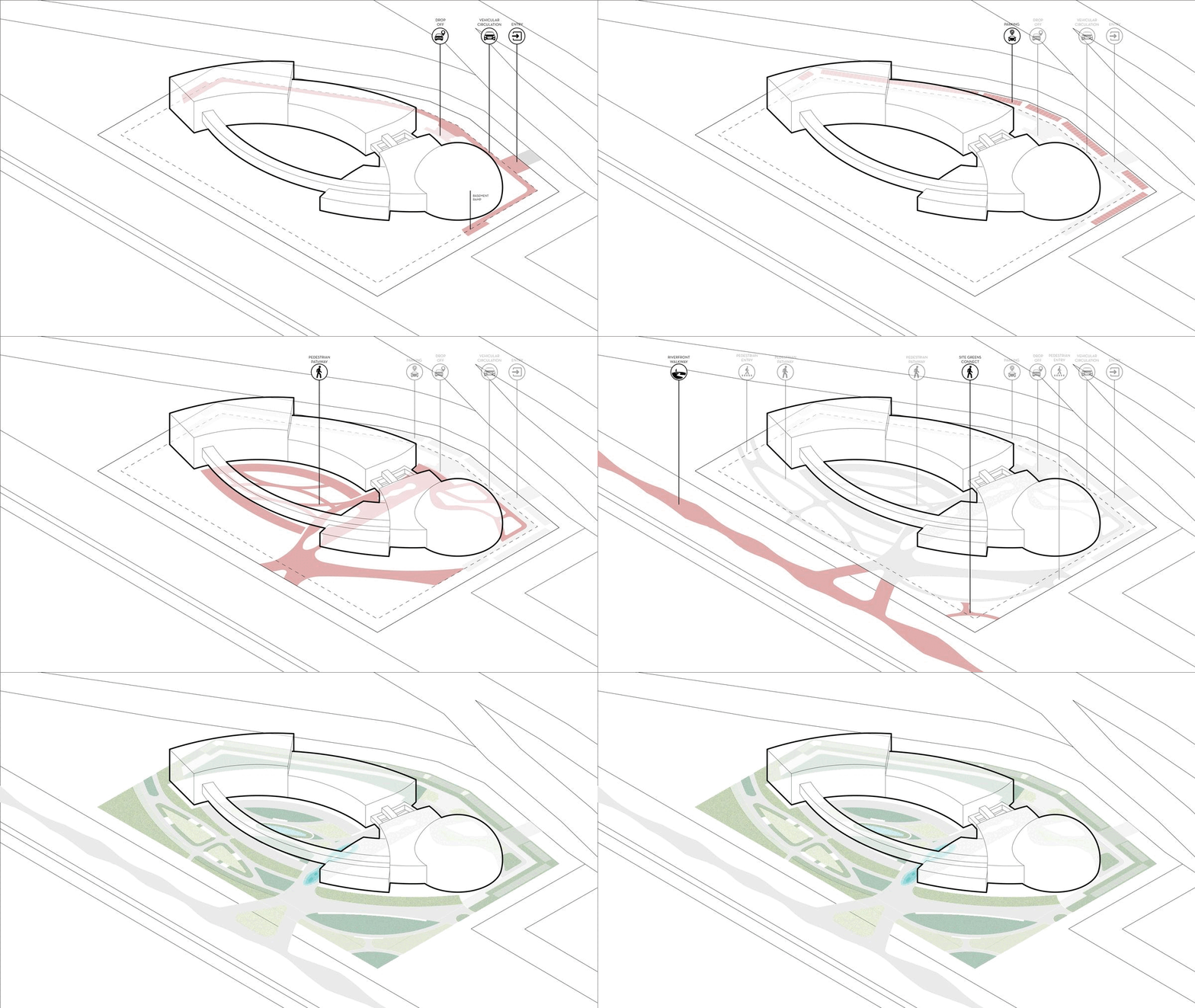
The form is then situated in accordance to the site conditions and the user flow
Anushka Mathur
ZenAir
TerraByte
TerraByte
A concept air-inflated isolation pods which can be used in any future pandemic situation like the COVID-19 pandemic.
An immersive museum experience taking the user into
a journey through climate past, present, and future
An immersive museum experience taking the user into
a journey through climate past, present, and future
May 2022
Individual Project
July 2022 - January 2023
Individual Project
July 2022 - January 2023
Individual Project
Overview
Sed ut perspiciatis unde omnis iste natus error sit voluptatem. Ut enim ad minima veniam, quis nostrum exercitationem ullam corporis suscipit laboriosam. Neque porro quisquam est, qui dolorem ipsum quia dolor sit amet, consectetur, adipisci velit.
The project reimagined the museums of the future. It conceptualised them not as institutions, but as collective process which allow people, to connect with the intangible heritage through material experiences. Immersivity in museums aims to change the role of the user from passive observer one who imagines themselves moving, learning, and reacting in a new cultural context. This existential change, while subtle, enlivens the museum experience. This experience combined physical and mental activity, thus, avoiding “the ‘stand and read’ paradigm that inevitably takes place when people are trying to learn more about a display.
Anushka Mathur
Digital-User Interaction in Spatial Organization
Using different techniques to guide the human experience through a physical space
User Experience with Sensory Elements
The integration of technology and sensory design transforms its architectural elements, guiding users through a climate change journey that engages them with exhibits and the space itself. This redefined approach shifts visitors from passive observers to active participants, leveraging architectural components to reshape the traditional museum experience.
User Experience: Building a Repository of Spatial Organization
The museum theme incorporates a multi-sensory approach to help evoke emotions of the user to allow them to feel the consequences of climate change as if they’re living them, thus shift the role of the visitor from being a passive to an active player. Integrating sensory design and media technology enhances engagement, creating a memorable and immersive experience. Sensory design when combined with media technology gives way to a much more immersive participatory experience, providing a more humane connection with the subject matter.
Research Process
Overview
The project reimagined the museums of the future. It conceptualised them not as institutions, but as collective process which allow people, to connect with the intangible heritage through material experiences. Immersivity in museums aims to change the role of the user from passive observer one who imagines themselves moving, learning, and reacting in a new cultural context. This existential change, while subtle, enlivens the museum experience. This experience combined physical and mental activity, thus, avoiding “the ‘stand and read’ paradigm that inevitably takes place when people are trying to learn more about a display.
Sensory Interaction in User Experience
Demographic Mapping
Post the site analysis the demographic identification was extracted from all the external factors. The demographic groups which stood out helped form the basis of the program development criteria.
Museum + Learning center = Integrated experience center + Free Public Interaction Space
Functional Relationship
Digital-User Interaction in Spatial Organization
Using different techniques to guide the human experience through a physical space
User Experience with Sensory Elements
The integration of technology and sensory design transforms its architectural elements, guiding users through a climate change journey that engages them with exhibits and the space itself. This redefined approach shifts visitors from passive observers to active participants, leveraging architectural components to reshape the traditional museum experience.
Digital-User Interaction in Spatial Organization
Using different techniques to guide the human experience through a physical space
User Experience with Sensory Elements
The integration of technology and sensory design transforms its architectural elements, guiding users through a climate change journey that engages them with exhibits and the space itself. This redefined approach shifts visitors from passive observers to active participants, leveraging architectural components to reshape the traditional museum experience.
Functional Relationship
Demographic Mapping
Post the site analysis the demographic identification was extracted from all the external factors. The demographic groups which stood out helped form the basis of the program development criteria.
Museum + Learning center = Integrated experience center + Free Public Interaction Space
Sensory Interaction in User Experience
Digital-User Interaction in Spatial Organization
Using different techniques to guide the human experience through a physical space
User Experience with Sensory Elements
The integration of technology and sensory design transforms its architectural elements, guiding users through a climate change journey that engages them with exhibits and the space itself. This redefined approach shifts visitors from passive observers to active participants, leveraging architectural components to reshape the traditional museum experience.
Demographic Mapping
Post the site analysis the demographic identification was extracted from all the external factors. The demographic groups which stood out helped form the basis of the program development criteria.
Museum + Learning center = Integrated experience center + Free Public Interaction Space
Functional Relationship
User Experience
The form is then situated in accordance to the site conditions and the user flow
Using the Site to Frame the Form
Design strategies to make the most optimal experience for the users
The form is then situated in accordance to the site conditions and the user flow
The form is then situated in accordance to the site conditions and the user flow
The form is then situated in accordance to the site conditions and the user flow
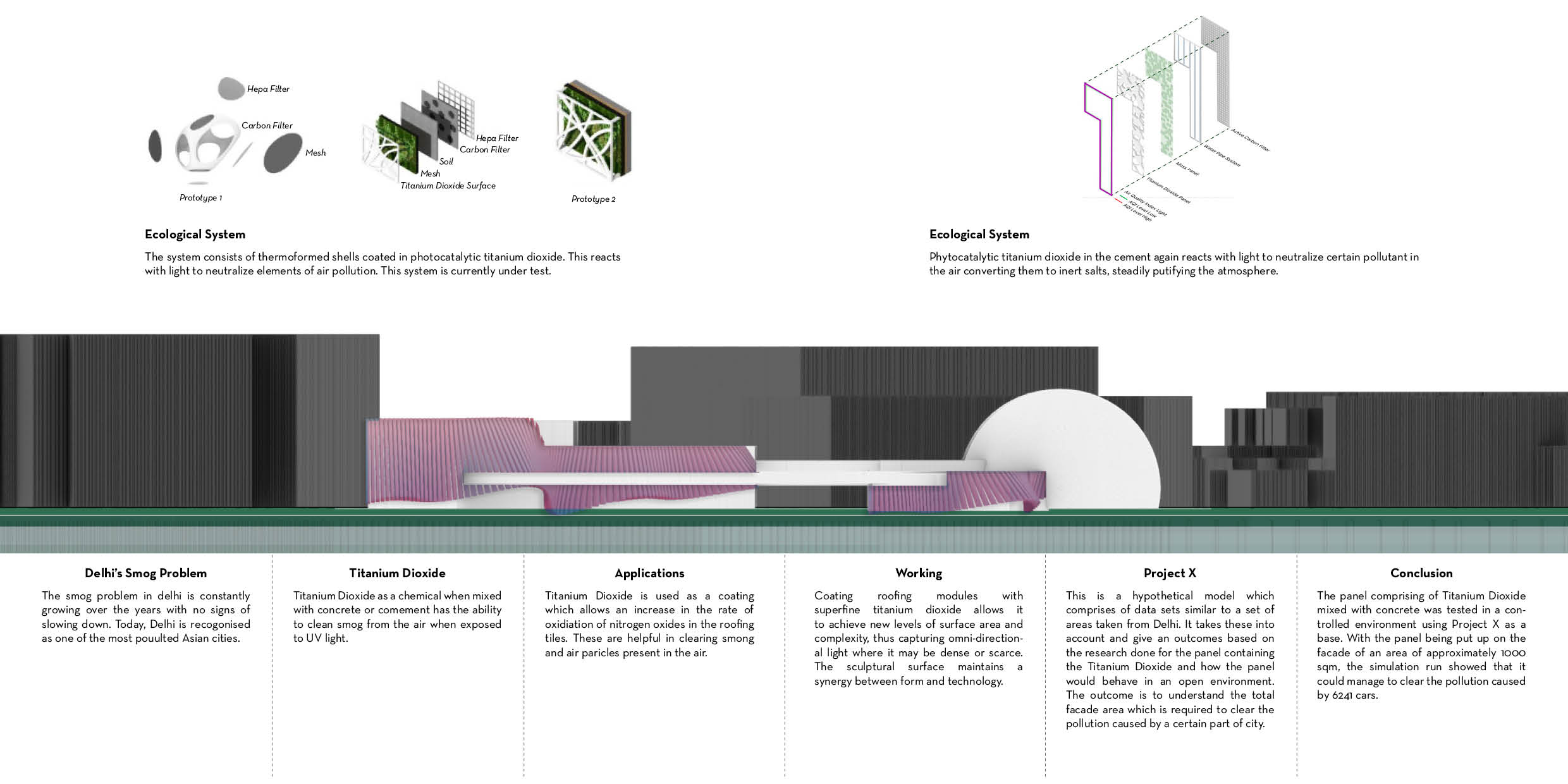
Ecological System
The system consists of thermoformed shells coated in photocatalytic titanium dioxide. This reacts with light to neutralize elements of air pollution. This system is currently under test in various buildings worldwide.